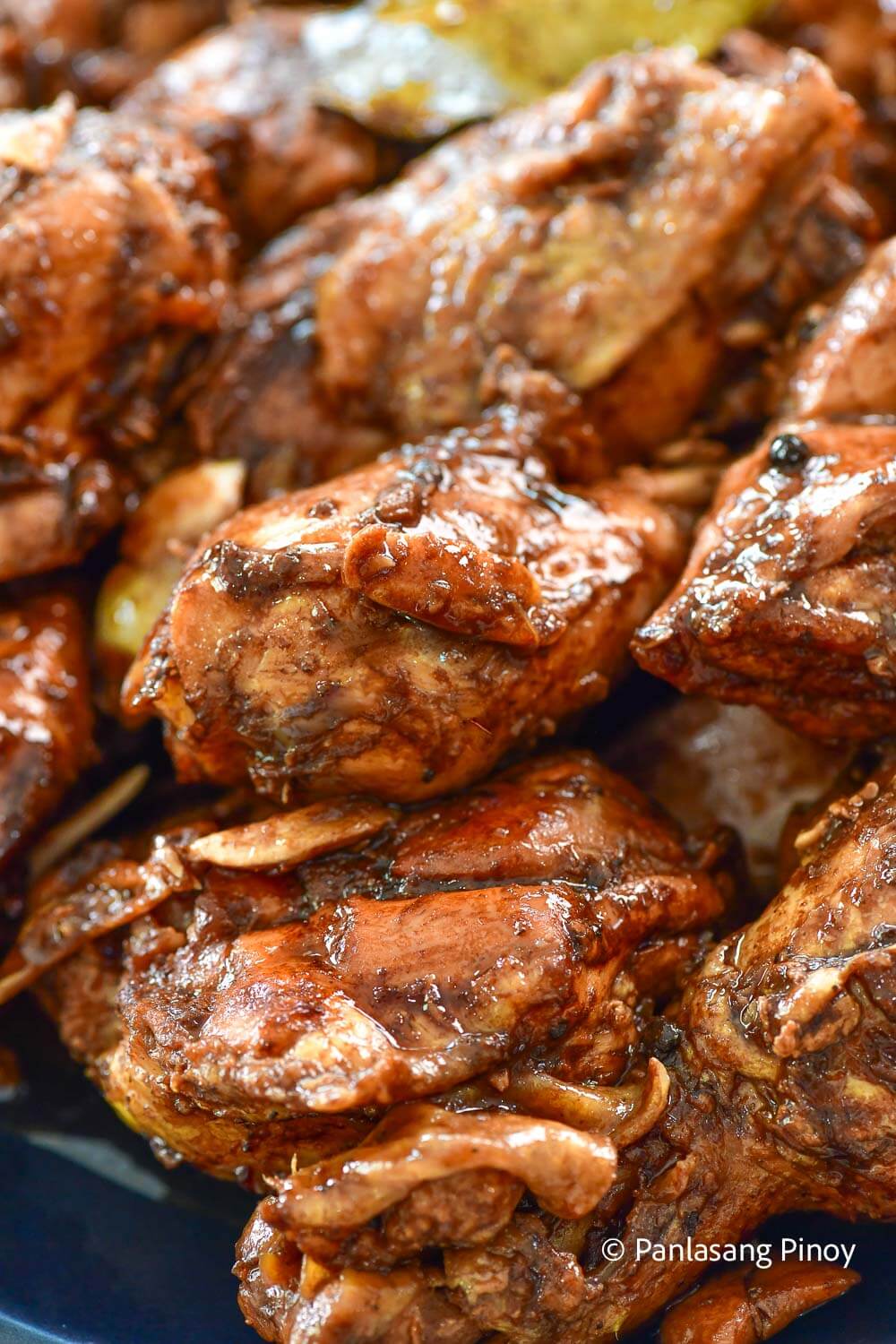
Why Filipino Chicken Adobo is the Beloved Savory Classic
Few dishes command the same reverence and widespread love in Filipino cuisine as chicken adobo. It’s more than just a meal; it's a culinary emblem, a taste of home, and an introduction for many to the rich tapestry of flavors that define the Philippines. From bustling city kitchens to quiet provincial homes, the aroma of savory, tangy, and garlicky chicken simmering in its distinctive sauce is an irresistible invitation. This comforting classic isn't merely famous; it's practically synonymous with Filipino identity, securing its place as the nation's unofficial national dish.
Whether you're new to Filipino gastronomy or grew up with its comforting embrace, chicken adobo possesses a unique ability to capture hearts and tantalize taste buds. Its bold, complex flavors, achieved through surprisingly simple ingredients, make it an incredibly versatile and deeply satisfying dish that pairs perfectly with a generous mound of warm, fluffy white rice.
The Irresistible Flavor Profile: What Makes Chicken Adobo Unique?
At the heart of chicken adobo's universal appeal lies its profoundly savory and perfectly balanced flavor profile. This iconic stew features tender pieces of chicken (or sometimes pork, or a combination of both) slow-simmered in a rich, aromatic liquid. The fundamental ingredients that create this magic are:
- Soy Sauce: Providing deep umami, saltiness, and a dark, glossy hue to the sauce.
- Vinegar: The crucial element that offers its characteristic tang, brightening the dish and cutting through the richness. It also plays a historical role in preservation.
- Garlic: Generous amounts of crushed or minced garlic infuse the dish with its pungent, aromatic essence, forming a foundational layer of flavor.
- Bay Leaves: These fragrant leaves impart a subtle, almost floral depth, adding another layer of complexity to the stew.
- Black Peppercorns: Whole peppercorns add a mild, earthy spice that complements the other strong flavors without overpowering them.
Beyond these core components, other elements like a touch of sugar can be added for sweetness, or chili for a fiery kick, depending on regional preferences and family recipes. The cooking process itself is key: the chicken is often first browned to develop deeper flavor, then gently simmered until tender, allowing the meat to absorb the rich, tangy, and garlicky sauce. As the sauce reduces, it thickens slightly, clinging beautifully to the chicken pieces and creating an incredibly palatable experience that demands to be spooned generously over rice.
It's important to note that while the name "adobo" might ring a bell for those familiar with Mexican cuisine, Filipino chicken adobo is a completely distinct entity. Mexican adobo refers to a marinade or a chili-based sauce, whereas the Filipino version is a unique cooking method and dish in itself, purely Pinoy in its essence and evolution.
A Dish Forged in History: The Ancient Roots of Filipino Adobo
The story of chicken adobo is as rich and layered as its flavor. Its origins trace back long before the arrival of Spanish colonizers in the Philippines. In the tropical climate of the archipelago, preserving food was a necessity, and locals had already mastered the art of cooking meat in vinegar and salt (or sometimes native fermented fish sauce). This method prevented spoilage, allowing food to last longer without refrigeration.
When the Spanish arrived, they observed this indigenous cooking technique and, finding no equivalent term in local languages, simply referred to it by the Spanish word "adobar," meaning "to marinate" or "to season." Over time, this Spanish label became synonymous with the Filipino dish, evolving into what we know today as "adobo." However, the method itself is distinctly Filipino, a testament to ingenious pre-colonial culinary practices.
As centuries passed, and cultures intertwined, the ingredients evolved. The introduction of soy sauce, for example, a staple in many Asian cuisines, found its way into adobo preparations, eventually becoming one of its defining components alongside the traditional vinegar. This historical journey from a practical preservation technique to a celebrated national dish highlights adobo's adaptability and enduring appeal. To delve deeper into its fascinating journey, explore Filipino Adobo's Legacy: From Ancient Roots to National Dish.
Beyond the Basic Recipe: Exploring Regional Variations and Tips
One of the most charming aspects of chicken adobo is its incredible diversity. While a classic version, rich in soy sauce and vinegar, is widely beloved, there is no single, definitive recipe. Across the Philippines' more than 7,000 islands, countless variations exist, each reflecting local ingredients, preferences, and culinary traditions. Some popular variations include:
- Adobo sa Gata: A creamy version where coconut milk is added to the traditional sauce, particularly popular in the Bicol region, giving it a richer, slightly sweeter profile.
- Adobong Puti (White Adobo): This variation omits soy sauce, relying solely on salt and vinegar for seasoning, resulting in a lighter-colored, yet equally flavorful dish.
- Spicy Adobo: Incorporates chilies (like siling labuyo) for those who prefer a fiery kick.
- Adobong Dilaw (Yellow Adobo): Uses turmeric for its distinct color and earthy flavor.
- Sweet Adobo: A slightly sweeter rendition, achieved by adding more sugar, often preferred by those with a sweeter palate.
For home cooks looking to master this iconic dish, here are a few tips:
- Balance is Key: The magic of adobo lies in the perfect balance between sour and savory. Don't be afraid to adjust the vinegar and soy sauce ratios to suit your personal taste.
- Don't Rush the Simmer: The longer adobo simmers (within reason), the more tender the meat becomes, and the more deeply it absorbs the flavors of the sauce.
- Fry the Chicken First: Browning the chicken pieces before simmering adds a layer of depth and savory notes, enhancing the overall flavor.
- Let it Rest: Like many stews, chicken adobo often tastes even better the next day, as the flavors have more time to meld and deepen. This makes it an excellent meal prep option!
- Experiment with Add-ins: Consider adding potatoes, hard-boiled eggs, or even green beans towards the end of cooking for added texture and nutrition.
For a detailed, step-by-step guide to preparing this cherished dish, check out The Easiest Authentic Filipino Chicken Adobo Recipe Guide.
Conclusion: The Enduring Charm of Chicken Adobo
Filipino chicken adobo is much more than just a recipe; it’s a living testament to Filipino culinary ingenuity, a flavorful journey through history, and an enduring symbol of comfort and community. Its unique blend of savory, tangy, and garlicky notes makes it universally appealing, an iconic dish that continues to win over palates worldwide. Whether you’re savoring a traditional preparation or exploring one of its myriad regional variations, adobo offers a deeply satisfying experience that speaks to the heart of Filipino culture. It's truly a beloved classic, and once you try it, it's easy to understand why its charm endures generation after generation.
