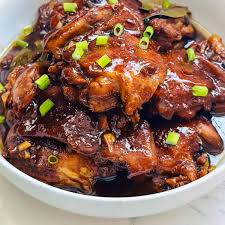
Welcome to the ultimate guide to crafting the most beloved and iconic dish of the Philippines: chicken adobo. If you've ever yearned to bring the rich, savory, and tangy flavors of authentic Filipino cuisine into your home, you've come to the right place. This article will walk you through the simplest yet most rewarding method to prepare a classic chicken adobo, a dish that effortlessly captivates palates and truly embodies the heart of Filipino cooking.
Often hailed as the national dish, Filipino chicken adobo is more than just a recipe; it's a culinary heritage passed down through generations. Its unmistakable profile of garlicky, vinegary, and umami notes, perfectly balanced with a subtle kick of peppercorns and aromatic bay leaves, makes it an irresistible comfort food. Prepare to discover how incredibly easy it is to create this comforting classic that pairs impeccably with a generous helping of warm, fluffy white rice.
The Heart of Filipino Cuisine: Understanding Chicken Adobo
Filipino chicken adobo stands out as one of the Philippines' most celebrated dishes, and for very good reason. It’s a symphony of bold flavors: intensely savory, delightfully tangy, and wonderfully garlicky, creating a truly unforgettable experience for your taste buds. Whether you grew up with the comforting aroma of adobo wafting from your grandmother's kitchen or you're just embarking on your journey into Filipino gastronomy, this dish is guaranteed to win you over.
At its core, chicken adobo is a stew where chicken pieces are gently simmered in a harmonious blend of soy sauce, vinegar, generous amounts of garlic, fragrant bay leaves, and pungent peppercorns. This distinctive combination results in a deeply flavorful and aromatic sauce that is both simple and profoundly satisfying.
It’s crucial to understand that Filipino adobo is distinct from Mexican adobo. While both share the Spanish linguistic root "adobar," meaning "to marinate" or "to season," their culinary traditions, ingredients, and flavor profiles are entirely unique. The Filipino version is purely Pinoy, a testament to its long-standing presence in the islands. Long before Spanish colonization, Filipinos were already using vinegar to preserve meats, a practice vital in the tropical climate before the advent of refrigeration. This ancient preservation method gradually evolved into the beloved national dish we know today. To delve deeper into its fascinating origins, you might enjoy reading about Filipino Adobo's Legacy: From Ancient Roots to National Dish.
While countless variations of adobo exist across the Philippine archipelago – some sweeter, some spicier, and others enriched with coconut milk – this guide focuses on the quintessential classic version, the one that many Filipinos lovingly recall from their childhoods. This particular rendition emphasizes simplicity and authentic flavor, making it the perfect starting point for any home cook.
Why This is the Easiest Authentic Chicken Adobo Recipe
The beauty of this chicken adobo recipe lies in its straightforward approach without compromising on authenticity or flavor. We strip away any unnecessary complexities to focus on the core elements that make adobo so special. There's no fancy equipment needed, and the steps are logical and easy to follow, even for novice cooks. Our goal is to empower you to create a saucier, more flavorful adobo that is perfect for spooning over rice, capturing that coveted "sabaw" (sauce) for every bite.
The Essential Ingredients for Classic Chicken Adobo
Success in adobo starts with understanding its key players. Each ingredient plays a crucial role in building the dish's iconic flavor profile:
- Chicken: Bone-in, skin-on chicken pieces (thighs, drumsticks, or a mix) are highly recommended. The bones add depth of flavor to the sauce, and the skin provides richness and a pleasing texture. Cut larger pieces into smaller, more manageable sizes for even cooking.
- Soy Sauce: The primary source of umami and saltiness. Choose a good quality Filipino soy sauce if available, or a standard all-purpose soy sauce.
- Vinegar: This is where the distinct tang comes from. Filipino cane vinegar (like Datu Puti or Silver Swan) is traditional, but white vinegar or even apple cider vinegar can be used. The acidity balances the richness of the chicken and soy sauce.
- Garlic: Adobo loves garlic! Don't be shy. Minced or crushed garlic forms the aromatic base of the sauce, providing a pungent, savory foundation.
- Bay Leaves & Peppercorns: These aromatics are indispensable. Bay leaves infuse the sauce with a subtle herbaceous note, while whole black peppercorns add a gentle, earthy heat.
- Optional but Recommended: A splash of water or chicken broth helps create a more generous sauce and prevents it from becoming too salty or vinegary. A bit of cooking oil is also useful for searing the chicken.
Step-by-Step: Crafting Your Perfect Chicken Adobo
Now, let's get down to the exciting part – cooking! Follow these simple steps to bring your authentic chicken adobo to life. Remember, patience is a key ingredient, especially during the simmering phase.
Preparation is Key
- Prepare Your Chicken: Pat chicken pieces dry with paper towels. This helps achieve a better sear.
- Mince Your Garlic: Get all your garlic ready. You can mince it finely or crush it coarsely, depending on your preference for garlicky texture.
- Measure Ingredients: Have your soy sauce, vinegar, water/broth, bay leaves, and peppercorns measured and ready to go. Mis en place (everything in its place) makes cooking much smoother.
- Optional Marination: While not strictly necessary for this "easiest" recipe, a quick 30-minute marinade of chicken in half the soy sauce and a few crushed garlic cloves can deepen the flavor.
The Cooking Process
- Sear the Chicken: In a large pot or Dutch oven, heat a tablespoon of cooking oil over medium-high heat. Add the chicken pieces, skin-side down first, and sear until golden brown. This step is crucial for developing flavor and giving the chicken a beautiful color. Remove the seared chicken and set aside.
- Sauté Aromatics: In the same pot, reduce the heat to medium. Add the minced garlic and sauté for 1-2 minutes until fragrant and lightly golden. Be careful not to burn it. Add the whole peppercorns and sauté for another 30 seconds.
- Add Liquids: Return the seared chicken to the pot. Pour in the soy sauce, vinegar, and water/broth. Ensure the chicken is mostly submerged.
- Simmer and Infuse: Add the bay leaves. Bring the mixture to a gentle boil, then immediately reduce the heat to low, cover the pot, and let it simmer. This is where the magic happens! Simmer for at least 30-40 minutes, or until the chicken is tender and cooked through. Important: Do NOT stir the pot for the first 10-15 minutes after adding the vinegar. This allows the vinegar to cook off its pungent raw taste. Once the initial simmering time has passed, you can gently stir occasionally.
- Reduce the Sauce: After the chicken is tender, remove the lid and increase the heat to medium. Continue to simmer, allowing the sauce to reduce and thicken slightly. This step intensifies the flavors. Taste the sauce and adjust seasonings if necessary (a pinch of sugar can balance the tang, or more soy sauce for saltiness). This reduction typically takes another 10-15 minutes, depending on how saucy you prefer your adobo.
- Rest and Serve: Once the sauce has reached your desired consistency, remove the pot from the heat. Let the adobo rest for 5-10 minutes. This allows the flavors to meld beautifully. Discard the bay leaves before serving.
Mastering Your Chicken Adobo: Tips for Success and Variations
Even with an easy recipe, a few insider tips can elevate your chicken adobo from good to truly unforgettable. These insights come from generations of Filipino home cooks.
Pro Tips for an Unforgettable Adobo
- Don't Stir the Vinegar Too Soon: This is arguably the most critical tip. Adding vinegar and immediately stirring can result in a harsh, raw, vinegary taste. Let it simmer undisturbed for at least 10-15 minutes after it comes to a boil, allowing the acidity to mellow out and integrate properly.
- Taste and Adjust: Every palate is different, and so are brands of soy sauce and vinegar. Taste your adobo sauce during the reduction phase and adjust. A tiny bit of sugar can balance excessive tang, while a splash more soy sauce or even a pinch of salt can heighten the savoriness.
- Let it Rest: Just like a good steak, adobo benefits from resting. Allowing it to sit for a few minutes off the heat helps the chicken reabsorb some of the sauce and allows the flavors to deepen further.
- Day-Old Adobo is Gold: Many Filipinos swear that adobo tastes even better the next day. The flavors continue to meld and deepen overnight. Simply reheat gently on the stovetop, adding a splash of water if the sauce has become too thick.
- Serve with Abundant Rice: This isn't just a serving suggestion; it's a rule! The rich, saucy goodness of chicken adobo is meant to be drenched over a mountain of steamed white rice, allowing every grain to soak up the incredible flavor. This essential pairing is a core reason Why Filipino Chicken Adobo is the Beloved Savory Classic.
Exploring Adobo Variations
While this guide focuses on the classic, don't hesitate to explore once you've mastered the basic recipe. Some popular variations include adding coconut milk for a richer, creamier sauce (Adobong Gata), incorporating sliced potatoes that soak up the flavor, or even a touch of chili for a spicy kick. However, for your first few attempts, sticking to the traditional ingredients will help you truly appreciate the foundational taste of authentic chicken adobo.
Conclusion
You now possess the knowledge and confidence to create an authentic and incredibly easy Filipino chicken adobo right in your own kitchen. This isn't just a meal; it's an experience – a journey into the heart of Filipino culinary tradition. With its irresistible blend of savory, tangy, and garlicky flavors, this comforting classic is sure to become a cherished addition to your recipe repertoire. So, gather your ingredients, follow these simple steps, and prepare to delight your family and friends with a dish that is truly a labor of love. Enjoy the magic of chicken adobo!
