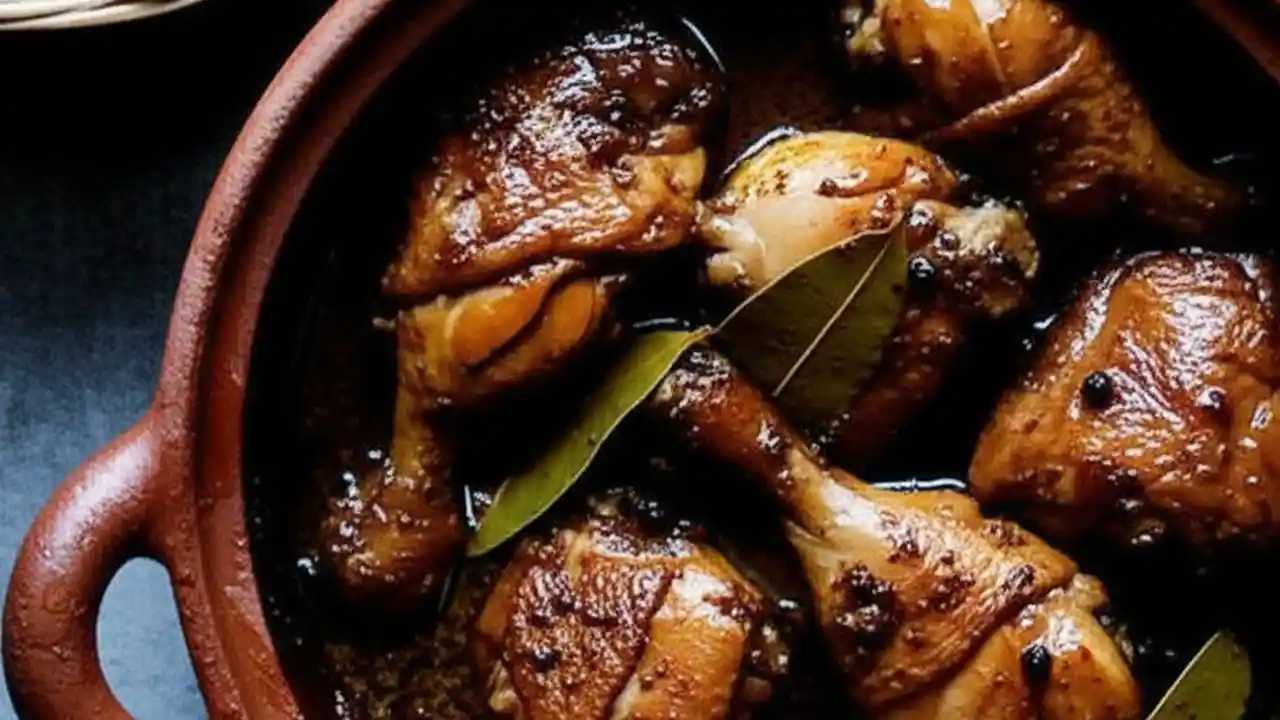
Few dishes encapsulate the soul of a nation quite like Filipino Adobo. More than just a recipe, it's a culinary philosophy, a historical testament, and a beloved comfort food all rolled into one. At its heart lies chicken adobo, a dish that has charmed its way into the hearts and palates of Filipinos and food enthusiasts worldwide. With its distinctive savory, slightly tangy, and wonderfully garlicky profile, this iconic stew is a masterpiece of balance and flavor, perfectly paired with a mountain of warm, fluffy white rice.
Whether you're intimately familiar with the rich tapestry of Filipino cuisine or are just beginning your delicious exploration, understanding the profound legacy of Adobo is essential. This isn't merely a dish; it's a journey through time, a testament to ingenuity, and a vibrant symbol of Filipino identity. Join us as we uncover the ancient roots and enduring journey that transformed a simple preservation method into the undisputed national dish of the Philippines.
The Enduring Legacy of Adobo: More Than Just a Dish
Ancient Roots and the Ingenuity of Preservation
To truly appreciate Filipino Adobo, we must first cast our minds back to a time long before modern refrigeration. In the warm, tropical climate of the Philippines, preserving food was not just a culinary practice but a necessity for survival. Long before the arrival of Spanish colonizers, indigenous Filipinos were already masters of preservation, utilizing the natural acidity of vinegar and the curing power of salt (or later, soy sauce) to extend the shelf life of meats.
This ancient method, a brilliant stroke of culinary ingenuity, forms the very foundation of what we now celebrate as Adobo. It was a practical solution born out of necessity, allowing communities to store their food for longer periods without spoilage. This historical context firmly establishes Adobo as one of the country's oldest and most significant dishes, deeply embedded in the cultural fabric long before any external influences.
The Spanish Connection and the Naming of a Tradition
While the preservation technique itself is undeniably pre-colonial and purely Pinoy, the name "Adobo" has a Spanish origin. The Spanish word "adobar" translates to "to marinate" or "to pickle," and it was likely the Spanish who, upon encountering the indigenous vinegar-based cooking method, likened it to their own pickling practices and bestowed the name "Adobo" upon it. This linguistic adoption, however, should not overshadow the fact that the method and the distinct Filipino flavor profile existed independently. It simply provided a convenient label for an already flourishing tradition.
Thus, Adobo is not to be confused with Mexican adobo, which, while sharing a similar name, boasts a completely different flavor profile rooted in chilies and spices. Filipino Adobo stands proudly as a unique culinary invention, a method that evolved over centuries from a simple preservation technique into a beloved, complex, and iconic national dish, showcasing the resourcefulness and rich culinary heritage of the Philippines.
Decoding the Classic Chicken Adobo Flavor Profile
Key Ingredients and Their Symphonic Role
The magic of authentic chicken adobo lies in the harmonious interplay of a few humble yet powerful ingredients. At its core, the classic version features tender chicken simmered in a rich, aromatic broth. The stars of this show are:
- Soy Sauce: Providing the deep, savory umami base that defines much of Filipino cuisine.
- Vinegar: The indispensable element, offering its signature tang and contributing to the dish's unique sour-savory balance. Traditional Filipino vinegars like cane vinegar or coconut vinegar often lend a distinct depth.
- Garlic: Generously used, it infuses the dish with its pungent, aromatic, and slightly sweet flavor, becoming a cornerstone of Adobo's appeal.
- Bay Leaves: These unassuming leaves impart a subtle, almost floral aroma that elevates the entire dish, adding a layer of sophisticated fragrance.
- Black Peppercorns: Offering a gentle, earthy heat and enhancing the overall complexity of the flavor.
The beauty of these ingredients is how they transform during the slow simmering process. The chicken absorbs the complex flavors, becoming incredibly tender, while the sauce reduces and intensifies, creating that irresistible glossy, concentrated flavor bomb that goes so perfectly with rice.
The Unmistakable Comfort Factor
Beyond its historical significance and unique flavor profile, Filipino Adobo holds a special place in the hearts of many as the ultimate comfort food. There’s something profoundly reassuring about a simmering pot of chicken adobo, filling the kitchen with its rich, garlicky aroma. It’s a dish that evokes memories of home-cooked meals, family gatherings, and the simple joy of good food shared.
The balance of savory, tangy, and garlicky notes is incredibly satisfying, making it a dish that is both bold and approachable. This comforting classic isn't just about feeding the body; it's about nourishing the soul, a culinary hug that transcends geographical boundaries and cultural differences to win hearts and tantalize taste buds wherever it's served.
The Myriad Faces of Filipino Adobo: A Culinary Tapestry
Regional Variations: A Spectrum of Flavors
Despite its classic rendition, Adobo is far from monolithic. One of its most fascinating aspects is the sheer number of regional variations found across the Philippines. This diversity is a testament to the dish's adaptability and the rich culinary landscape of the archipelago. While the core method of cooking in vinegar and often soy sauce remains, the specifics can change dramatically based on local ingredients and preferences.
- Adobong Puti (White Adobo): A pre-colonial variant that uses salt instead of soy sauce, resulting in a lighter-colored, often tangier dish, showcasing Adobo's origins before the widespread use of soy sauce.
- Adobong Gata (Adobo with Coconut Milk): Popular in the Bicol region and other coconut-rich areas, this version introduces creamy coconut milk, adding a luscious richness and a touch of sweetness that beautifully balances the acidity and savory notes.
- Spicy Adobo: Incorporating chilies or siling labuyo (bird's eye chili) for those who crave a fiery kick.
- Sweet Adobo: Some regions prefer a slightly sweeter profile, achieved with a touch of brown sugar or even a reduction in vinegar.
- Different Proteins: While chicken adobo is quintessential, adobo can be made with pork (adobong baboy), beef, seafood, or even vegetables, each offering a unique twist on the beloved classic.
Each variation tells a story of local history, available resources, and community tastes, proving that Adobo isn't just a single recipe but a dynamic, living culinary tradition.
Modern Interpretations and Culinary Evolution
The evolution of Adobo continues even today, with chefs and home cooks constantly finding new ways to innovate while respecting its roots. Modern interpretations might include adding unconventional ingredients like potatoes or hard-boiled eggs, experimenting with different types of vinegar or soy sauce, or adjusting the sauce consistency to be thicker and richer, perfect for coating every grain of rice.
For example, some modern chicken adobo recipes prioritize a saucier finish, making the dish even more delightful served over rice. This constant innovation ensures that Adobo remains relevant and exciting, continuing its legacy of adaptability while staying true to its timeless essence. The beauty of Adobo is its ability to embrace both tradition and innovation, offering a delightful journey for any palate.
Mastering Your Own Chicken Adobo: Tips for the Home Cook
Embarking on your own authentic Filipino chicken adobo recipe journey is a rewarding experience. While there are countless versions, the core principles remain. Here are some tips to help you master this national treasure in your kitchen:
- Choose Quality Ingredients: Start with good quality chicken (thighs or drumsticks are often preferred for tenderness), a reputable brand of soy sauce, and a good vinegar (cane, coconut, or even apple cider vinegar work well, each imparting a slightly different nuance).
- Balance is Key: The magic of Adobo lies in the balance between the savory soy sauce and the tangy vinegar. Don't be afraid to taste and adjust the ratios to your preference. Some like it tangier, others prefer it more savory.
- Don't Rush the Simmer: Adobo benefits immensely from slow, gentle simmering. This allows the chicken to become incredibly tender and absorb all the complex flavors of the sauce. Aim for at least 30-45 minutes, or even longer for deeper flavor.
- Browning the Chicken: For an extra layer of flavor and appealing color, consider browning your chicken pieces in a little oil before adding the liquids. This step develops a rich fond at the bottom of the pan, which contributes significantly to the sauce's depth.
- The "Next-Day" Phenomenon: Many Filipinos swear that adobo tastes even better the next day. The flavors meld and deepen overnight, making leftovers a highly anticipated treat. Consider making a larger batch to enjoy this enhanced flavor!
- Serving: Always serve your chicken adobo with a generous portion of freshly cooked white rice. The rice is essential for soaking up every last drop of the delectable sauce. Garnish with fresh green onions or crispy fried garlic for an added burst of flavor and texture.
With these tips, you're well on your way to creating a truly memorable and authentic chicken adobo experience right in your own home.
Conclusion
Filipino Adobo's legacy is a magnificent tapestry woven from ancient preservation techniques, colonial influences, and the vibrant culinary traditions of an archipelagic nation. From its humble origins as a method to extend the life of food in a tropical climate, it has evolved into the celebrated national dish of the Philippines, a symbol of resilience, adaptability, and undeniable flavor. The iconic chicken adobo, with its perfect balance of savory, tangy, and garlicky notes, offers a comforting embrace that transcends cultures.
As you savor each spoonful of this remarkable stew, remember that you're not just enjoying a meal; you're partaking in a rich history and a culinary tradition that continues to evolve and enchant. Adobo is more than food; it's a taste of Filipino heritage, a testament to ingenious cooking, and a delicious legacy that will undoubtedly continue to captivate generations to come.
